Child labor
Child Labor
Condition of Child Labor in Bangladesh
Date: October 26, 2023
Overview
Child labor remains a significant and persistent challenge in Bangladesh, despite notable progress in recent decades. Driven primarily by poverty, social norms, and gaps in the education system, millions of children continue to work in environments that rob them of their childhood, potential, and dignity.
While the ready-made garment (RMG) sector receives international attention, the majority of child laborers are found in informal sectors such as agriculture, domestic work, and small-scale industries. These children are exposed to hazardous conditions, exploitation, and abuse.
Although the Government of Bangladesh has established a legal framework and undertaken initiatives to combat child labor, enforcement remains weak, and systemic root causes persist. A coordinated effort involving the government, private sector, civil society, and international community is urgently needed to eradicate this deeply entrenched issue.
1. Introduction
Bangladesh, a rapidly developing South Asian nation, has achieved remarkable success in reducing poverty and improving human development indicators. Yet, the ongoing exploitation of children in the labor force starkly contradicts this progress.
Child labor violates fundamental human rights and perpetuates a cycle of poverty, as children deprived of education remain trapped in low-skilled, low-paying work. This report examines the current state, root causes, sectors of employment, legal framework, and challenges related to child labor in Bangladesh.
2. The Scale of the Problem
According to the Bangladesh Bureau of Statistics (BBS) National Child Labour Survey 2022, approximately 3.45 million children are engaged in child labor. Of these, 1.28 million are involved in hazardous work.
This represents progress compared to the 2013 survey, which reported 3.45 million children in hazardous labor alone — but the overall scale of the problem remains alarming.
3. Root Causes of Child Labor
The persistence of child labor in Bangladesh results from a complex combination of economic, social, and institutional factors:
- Poverty: In low-income families, a child’s income often contributes significantly to household survival. Parents may prioritize immediate earnings over long-term education.
- Social and Cultural Norms: Many communities view children’s work as a normal part of growing up, not as exploitation.
- Weak Education System: Poor-quality schooling, hidden fees, overcrowding, and a lack of relevance to job markets push many children out of school.
- Weak Law Enforcement: Limited inspection capacity, corruption, and an under-resourced judiciary allow exploitative employers to operate with impunity.
- Economic and Environmental Shocks: Floods, cyclones, and family crises such as the death of a breadwinner often force children to seek work.
4. Major Sectors Employing Child Labor
Child labor in Bangladesh is concentrated in the informal economy, which is largely unregulated and difficult to monitor.
Agriculture (45%)
Children work long hours in crop fields, fisheries, and livestock farming — often handling sharp tools, pesticides, and heavy loads.
Service Sector (36.5%)
Includes several high-risk forms of employment:
- Domestic Work: Predominantly girls, many of whom face physical, psychological, and sexual abuse behind closed doors.
- Transportation: Garage and bus helpers often suffer injuries and accidents.
- Street Work: Street vending, waste picking, and begging expose children to disease, violence, and exploitation.
Industry (18.5%)
- Ready-Made Garments (RMG): Mostly eliminated from large export factories but continues in small subcontracted units.
- Leather Tanneries: Exposure to toxic chemicals and unsafe machinery.
- Shipbreaking: One of the world’s most dangerous industries, involving asbestos, heavy metals, and risk of explosions.
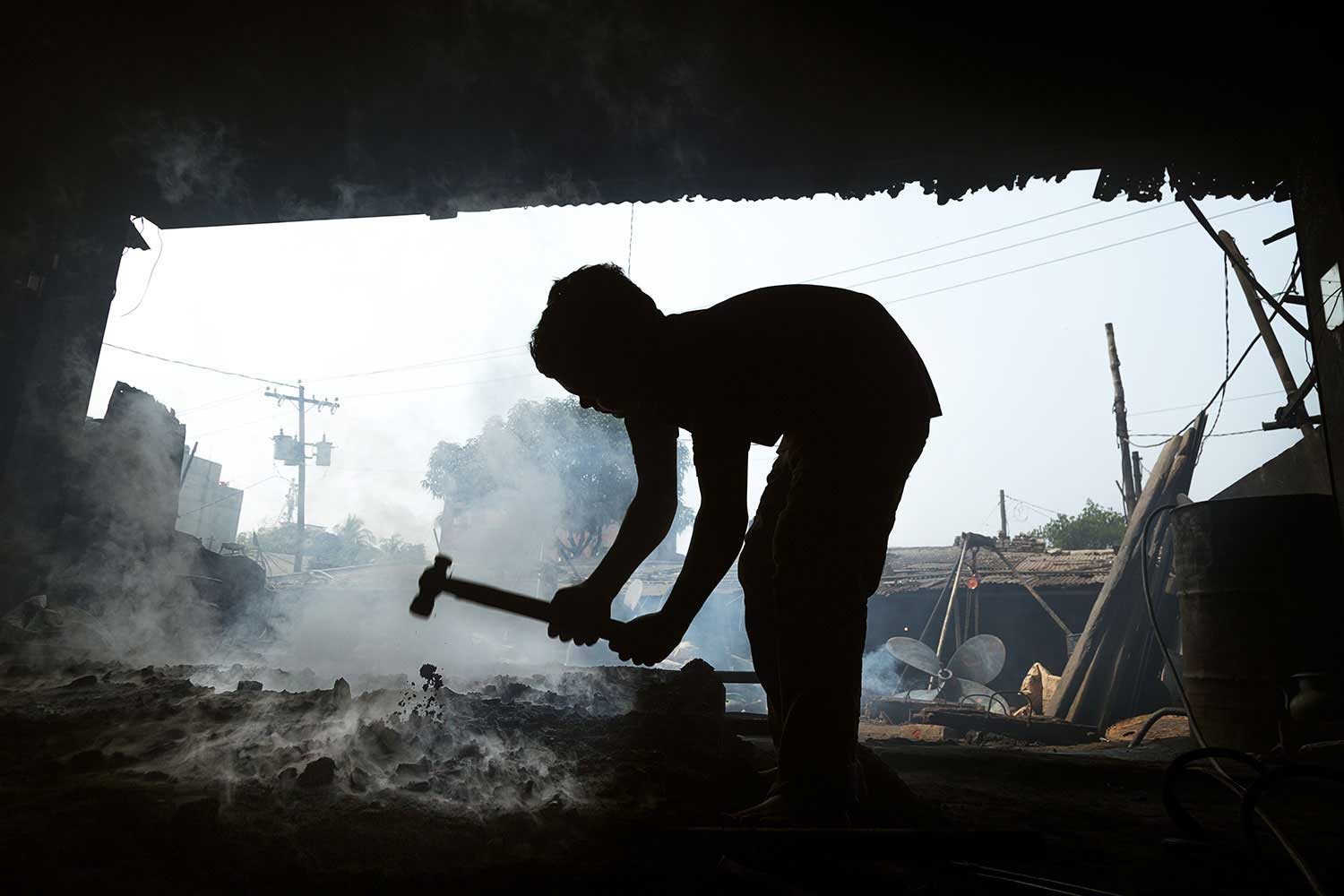
- Small Workshops: Children are found in welding, carpentry, and battery recycling units under hazardous conditions.
5. Hazards and Consequences
Children engaged in labor face multiple forms of harm:
- Physical Hazards: Injuries from machinery, exposure to chemicals, respiratory diseases, and musculoskeletal damage.
- Psychological Harm: Depression, anxiety, and trauma from abuse, overwork, and deprivation.
- Educational Deprivation: Child labor is a key driver of school dropouts and poor literacy rates.
- Exploitation: Many children receive little or no pay, are trapped in debt bondage, or become victims of trafficking.
6. Legal and Policy Framework
Bangladesh has enacted several laws and national plans to eliminate child labor:
- Bangladesh Labour Act (2006, amended 2018): Prohibits employment of children under 14; allows limited “light work” for ages 12–14; restricts adolescents (14–18) from hazardous work.
- The Children Act (2013): Provides protection and justice for children in need of care.
- National Plan of Action on the Elimination of Child Labour (2021–2025): Outlines prevention, protection, and rehabilitation strategies.
- Compulsory Primary Education Act: Mandates free and compulsory education up to the 8th grade.
7. Challenges and Gaps
Despite these frameworks, key challenges persist:
- Inadequate Enforcement: A shortage of inspectors and limited resources prevent monitoring of the informal sector.
- Data Deficiency: Many children work in unregistered jobs, making accurate data collection difficult.
- Weak Rehabilitation: Rescue operations are ineffective without follow-up education and family support.
- Narrow Focus: Efforts have concentrated on the formal RMG sector, leaving most child labor hidden in domestic and informal industries.
8. Recommendations
To combat child labor effectively, a comprehensive and collaborative approach is essential:
- Strengthen Law Enforcement: Increase the number and training of labor inspectors; ensure strict penalties for violations.
- Tackle Root Causes: Expand social protection programs and conditional cash transfers for poor families.
- Improve Education: Ensure accessible, relevant, and high-quality education to keep children in school.
- Promote Corporate Accountability: Enforce supply chain transparency to eliminate hidden child labor.
- Raise Public Awareness: Conduct community-level campaigns on the dangers of child labor and the benefits of education.
- Enhance Rehabilitation Services: Provide psychosocial care, educational reintegration, and family assistance to rescued children.
9. Conclusion
Bangladesh stands at a critical juncture. Its economic growth and global reputation are undermined by the persistence of child labor. Eradicating this practice is not only a moral and legal obligation but also an economic necessity for sustainable development.
Through stronger political will, adequate resources, and partnership among government, private sector, and civil society, Bangladesh can protect its children’s rights and build a future grounded in education, safety, and opportunity for all.